Road Signs Test
Road signs practice test
Start your Road Signs Practice Test
Answer 20 or 25 randomized questions from a 100-question image bank covering warning, regulatory, work-zone, guide, and service signs. You will see the sign image, instant feedback, and an explanation after every answer.
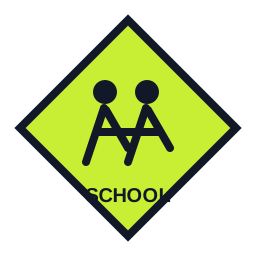
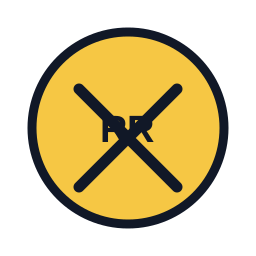
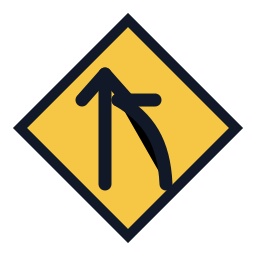
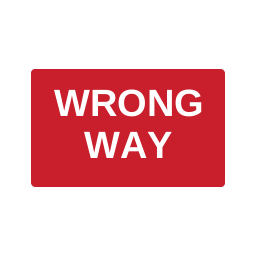
Study guidance
How to get more from this tool
Road signs are one of the most practical parts of permit study because they connect directly to real driving. This quiz helps you recognize what a sign is telling you to do, not just what shape or color it has. A strong road-sign score comes from knowing the sign category, the visual clue, and the safe driver action that should happen next.
Choose 20 signs for a standard practice round.
Choose 25 signs for a longer road-sign session.
After each missed sign, say the meaning and driver action in your own words before moving on.
Road Sign Categories To Master
Most learners remember stop signs and speed-limit signs quickly. The harder signs are usually warning signs, lane-use signs, railroad signs, pedestrian and school-zone signs, and temporary work-zone signs. Pay attention to the action a sign requires: slow down, yield, merge, stop, watch for crossing traffic, or prepare for a change in road conditions.
Why Shape And Color Help
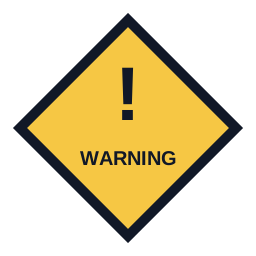
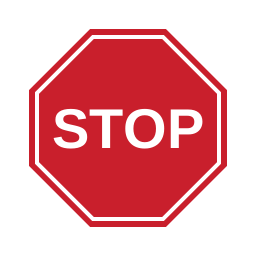
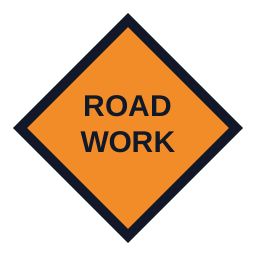
Shape and color are shortcuts. Yellow usually warns, orange usually marks work zones, red often means stop or prohibition, green often guides, blue often gives services, and brown often points to recreation or cultural areas. The real skill is combining that visual clue with the safest driving response.
Regulatory vs Warning Signs
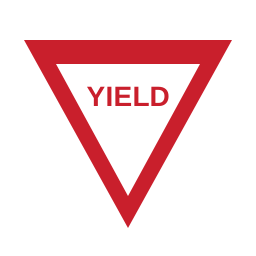
Regulatory signs tell drivers what they must or must not do, such as stopping, yielding, obeying a speed limit, or avoiding a turn. Warning signs prepare drivers for a condition ahead, such as a curve, merge, slippery road, traffic signal, or pedestrian crossing. Mixing these two categories is a common permit-test mistake.
How To Use The Visual Cards
When a sign image appears, look at it before reading the answers. Ask yourself what category it belongs to, what clue stands out, and what a safe driver would do. This builds recognition for real roads, where you do not get answer choices before you make a decision.
State-Specific Sign Study
The meaning of common signs is broadly consistent, but state handbooks may emphasize certain signs, pavement markings, school-bus rules, work-zone penalties, or local test examples. Use this quiz for practice and your state handbook for final wording.
Quick Answers
Do DMV permit tests include road signs?
Yes, road signs are a common part of permit testing. The exact number and format depend on the state.
Should I memorize every sign?
You should know common signs by meaning and action. Memorizing only the name is less useful than knowing what to do when you see it.
Are work-zone signs important?
Yes. Work-zone signs often change normal driving rules and can appear in handbook-based questions.
What should I do after missing a sign?
Review the sign category, then retake a short quiz so the meaning becomes familiar.
Which signs should I study first?
Start with stop, yield, speed limit, no entry, wrong way, railroad crossing, school crossing, pedestrian crossing, merge, divided highway, slippery road, and work-zone signs.
Do sign colors appear on the test?
Many permit questions use color and shape clues. Knowing them helps, but the safest answer usually depends on the action required by the sign.
Are pavement markings part of road sign study?
They are related. Lane arrows, center lines, crosswalk markings, stop lines, and no-passing markings are often studied with signs because they guide the same driving decisions.
Can I pass by only studying signs?
No. Road signs are important, but permit exams also cover right-of-way, speed, parking, safe driving, alcohol laws, and state-specific licensing rules.