Guide Signs – Complete Guide
Guide signs help drivers find routes, exits, destinations, distances, streets, mile markers, and travel services. They are usually informational, but reading them early prevents rushed lane changes, missed exits, and unsafe turns.
Guide signs basics
What are guide signs?
Guide signs give navigation information instead of warning about a hazard or stating a traffic law. Most highway guide signs are rectangular and green, though brown signs point to recreational, scenic, cultural, or historic areas. Blue motorist-service signs are covered separately on the service signs page.
- Shape: Usually rectangular.
- Color: Green for directions and distances, brown for recreation or cultural destinations, and blue for services.
- Purpose: Provide directions, distances, exits, route numbers, destinations, and travel information.
- Action: Informational, but essential for safe navigation and early lane planning.
Common guide signs
Common guide signs to know for the DMV test
Guide signs often appear in DMV questions because drivers need to understand route numbers, exit lanes, distances, and destination information without making sudden moves.
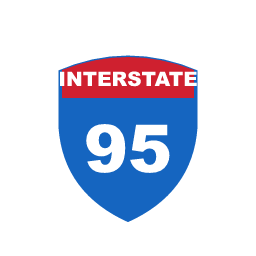
Interstate Route Marker
Meaning: Identifies an Interstate highway route.
What to do: Use the route number and direction to confirm you are on the correct highway.
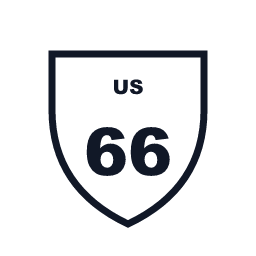
U.S. Route Marker
Meaning: Identifies a U.S. numbered highway.
What to do: Follow the marker when your route uses a U.S. highway instead of an Interstate.
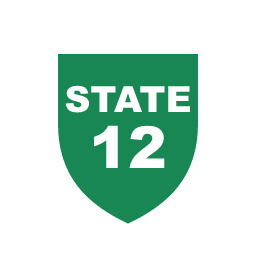
State Route Marker
Meaning: Identifies a state-numbered highway or route.
What to do: Match the number to your directions and watch for turns where the route changes roads.
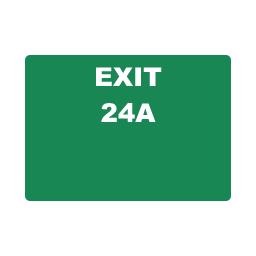
Exit Number Sign
Meaning: Shows the upcoming highway exit number.
What to do: Move into the correct lane early and avoid last-second lane changes.
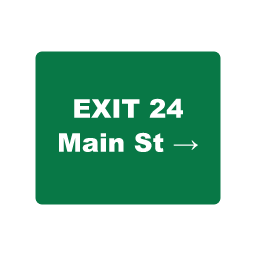
Exit Direction Sign
Meaning: Shows which direction or lane leads to an exit or destination.
What to do: Signal early and move only when safe.
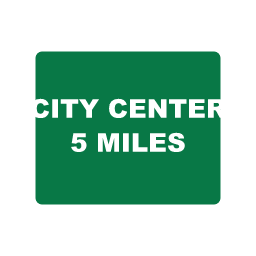
Distance Sign
Meaning: Lists destinations and mileage ahead.
What to do: Use it to plan fuel, rest stops, and lane choices before traffic gets busy.
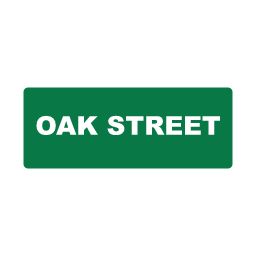
Street Name Sign
Meaning: Identifies the road or street at an intersection.
What to do: Confirm the street name before turning or crossing.
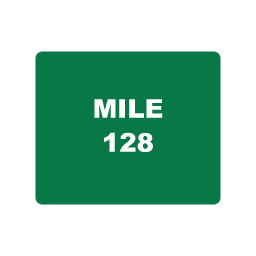
Mile Marker
Meaning: Shows your highway mile position.
What to do: Use it for location reference, emergency calls, and tracking exits.
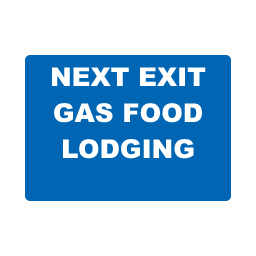
Next Exit Services
Meaning: Shows services available at the next exit.
What to do: Plan exits for gas, food, lodging, or other services without sudden lane changes.
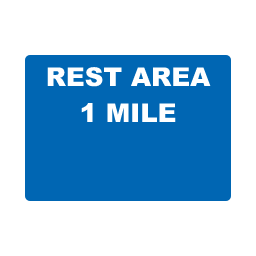
Rest Area Ahead
Meaning: Shows a rest area is ahead.
What to do: Use it to plan a safe stop when tired or needing a break.

Scenic Route / Byway
Meaning: Marks a scenic or designated route.
What to do: Follow if planned; watch for slower traffic and sightseeing drivers.
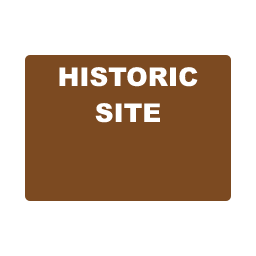
Historical Marker
Meaning: Points to a historic or cultural site.
What to do: Treat it as informational and avoid abrupt turns if you choose to visit.
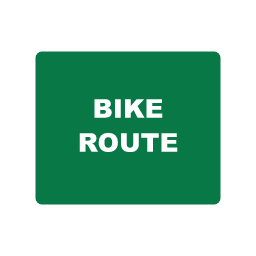
Bike Route
Meaning: Shows a designated bicycle route.
What to do: Expect bicycle traffic and give riders legal passing space.
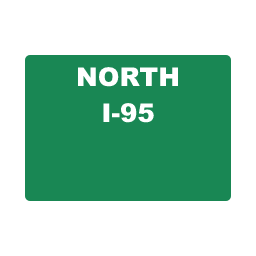
Cardinal Direction Route Sign
Meaning: Shows route direction such as North, South, East, or West.
What to do: Use direction labels with route numbers so you do not enter the wrong side of the highway.
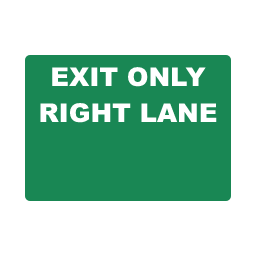
Exit Only Lane Sign
Meaning: Indicates a lane must leave the highway.
What to do: Move out of the lane if you are continuing straight; stay in it only if exiting.
Highway reading
How to read highway guide signs
- Exit numbering: Many highways use mile-based exit numbers, so Exit 24 is often near mile 24. Some older systems use sequential numbering.
- Exit Only: If a lane says Exit Only, that lane leaves the highway. Move out early if you are continuing through.
- Cardinal directions: Route signs use North, South, East, or West. Match both the route number and direction before entering a ramp.
- Distance signs: Mileage signs help you plan fuel, rest breaks, and lane changes before you are close to an exit.
Official sources
Guide sign references used for this guide
US Permit Prep is an independent study site. Guide sign examples can vary by highway, state, and local agency, so verify final sign rules and driver-test coverage with your official state driver handbook.
FAQ
Guide sign questions
What are guide signs?
Guide signs help drivers navigate. They show route numbers, highway exits, directions, distances, street names, mile markers, destinations, recreational areas, and nearby services.
What color are guide signs?
Most highway guide signs are green with white lettering. Brown signs point to parks, recreation, scenic, cultural, or historic destinations. Blue signs usually show motorist services and are covered separately on the service signs page.
Are guide signs legally enforceable?
Guide signs are mostly informational rather than regulatory. They do not usually order a driver to stop or yield, but missing or misunderstanding them can cause unsafe last-second lane changes or missed exits.
Do guide signs appear on the DMV written test?
Yes. DMV tests can include route markers, exit signs, distance signs, mile markers, street-name signs, scenic-route signs, and service-related guide signs because drivers must understand navigation signs safely.
Practice
Ready to test yourself on guide signs?
Take the image-based Road Signs Practice Test and review missed guide signs by color, shape, route meaning, and navigation action.
Related road sign guides