Work Zone Signs – Complete Guide
Work zone signs use orange backgrounds to warn drivers about temporary construction, maintenance, utility work, detours, and lane changes. These signs matter on the DMV test because work zones require slower speed, more space, and quick attention to workers and temporary traffic control.
Work zone signs basics
What are work zone signs?
Work zone signs tell drivers that the road ahead has temporary construction, maintenance, utility work, lane closures, detours, or worker activity. Most are orange, and many use a diamond shape because they warn of changing conditions.
- Shape: Mostly diamond warning signs, with some rectangular guide or regulatory signs.
- Color: Orange with black words or symbols for temporary work-zone conditions.
- Purpose: Warn of construction, maintenance, utility work, workers, equipment, lane closures, or detours.
- Action: Reduce speed, increase following distance, watch for workers and equipment, and follow flaggers or temporary signs.
Common work zone signs
Common work zone signs to know for the DMV test
Look for the orange color first. It tells you the situation is temporary and may involve workers, changed lanes, rough pavement, slower speeds, or a detour.
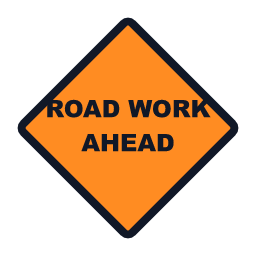
Road Work Ahead
Meaning: Construction or maintenance work is ahead.
What to do: Slow down, look for lane changes, and watch for workers or equipment.
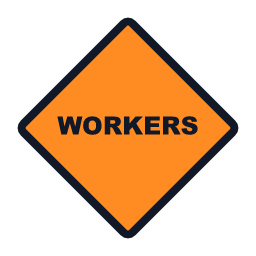
Workers Ahead
Meaning: Road workers may be near or on the roadway.
What to do: Reduce speed and leave extra space; workers can be close to moving traffic.
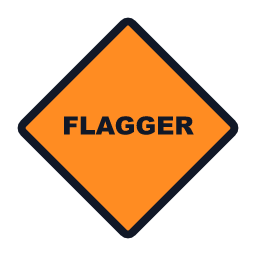
Flagger Ahead
Meaning: A flagger is controlling traffic ahead.
What to do: Slow down and obey the flagger; their directions override normal traffic flow.
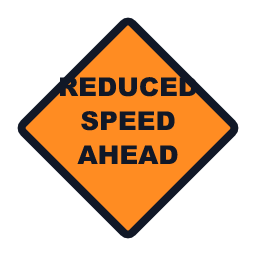
Reduced Speed Ahead
Meaning: A lower temporary speed is coming in the work zone.
What to do: Begin slowing before the posted work-zone speed limit.
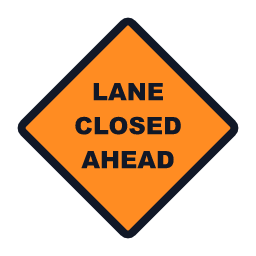
Lane Closed Ahead
Meaning: One or more lanes are closed ahead.
What to do: Merge early, use signals, and avoid last-second lane changes.
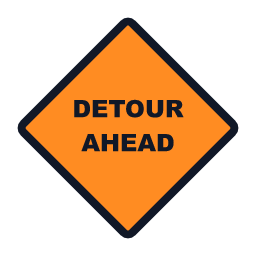
Detour Ahead
Meaning: The usual route is closed or changed ahead.
What to do: Prepare to follow detour signs instead of your normal route.
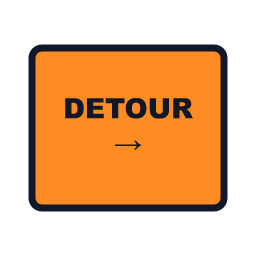
Detour Arrow
Meaning: The detour route turns in the direction shown.
What to do: Follow the arrow and stay alert for temporary traffic patterns.
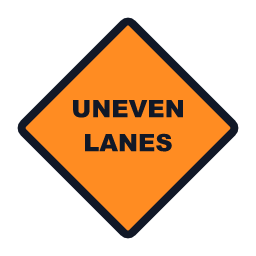
Uneven Lanes / Pavement
Meaning: Adjacent lanes or road surfaces are at different heights.
What to do: Hold the wheel steady, slow down, and avoid sudden lane changes.
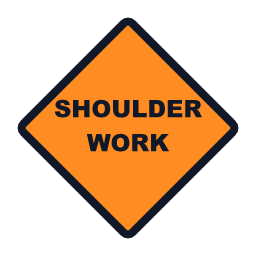
Shoulder Work
Meaning: Workers or equipment are on the shoulder.
What to do: Slow down and give extra space; avoid drifting onto the shoulder.
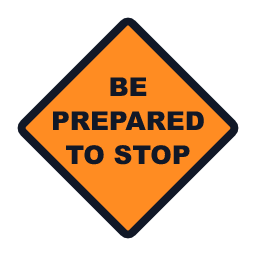
Be Prepared to Stop
Meaning: Traffic may stop suddenly because of flaggers, lane closures, or equipment.
What to do: Increase following distance and cover the brake when traffic slows.
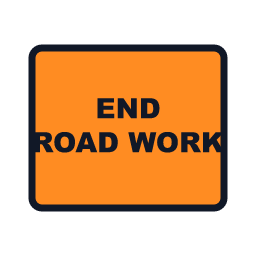
End Road Work
Meaning: The temporary work zone is ending.
What to do: Continue carefully until normal lane markings and speeds fully resume.
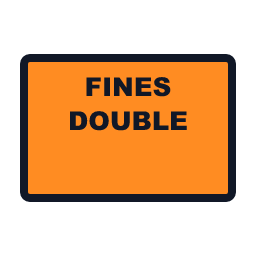
Fines Double in Work Zone
Meaning: Traffic fines may be higher in the work zone.
What to do: Obey speed limits and worker-safety rules; penalties can be stronger.
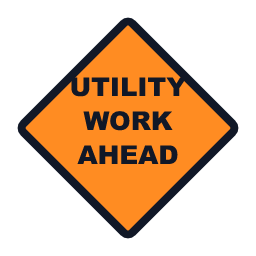
Utility Work Ahead
Meaning: Utility crews may be working on or near the roadway.
What to do: Watch for workers, vehicles, cones, and sudden stops.
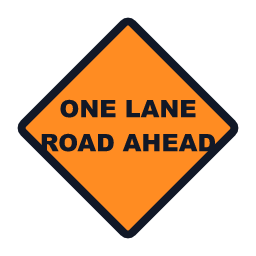
One Lane Road Ahead
Meaning: Traffic from both directions may share one lane.
What to do: Slow down and follow flaggers, signals, or temporary signs.
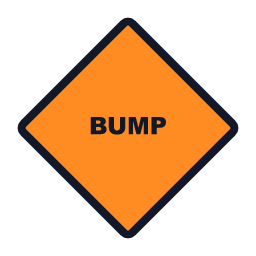
Bump / Rough Surface
Meaning: A bump or rough surface is ahead in the work area.
What to do: Reduce speed and keep a steady lane position.
Safety rules
Work zone safety rules drivers should remember
- Slow down early: Temporary lanes, cones, flaggers, and equipment can appear quickly.
- Move over or give space when required: Move-over and slow-down laws vary by state, but the safe habit is to give workers and stopped vehicles extra room.
- Expect higher penalties: Many states increase fines for speeding or unsafe driving in work zones, especially when workers are present.
- Watch for workers and equipment: Trucks, cones, workers, and machinery may enter the roadway with less warning than normal traffic.
- Follow flaggers: A flagger’s instructions can temporarily control traffic even when they differ from normal signs or signals.
Official sources
Work zone sign references used for this guide
US Permit Prep is an independent study site. Work-zone rules, fines, and move-over requirements can vary by state, so verify final rules with your state driver handbook.
FAQ
Work zone sign questions
What color are work zone signs?
Most temporary work zone warning signs are orange with black words or symbols. Orange tells drivers to expect construction, maintenance, utility work, lane changes, workers, equipment, or temporary traffic control.
What should I do when I see a work zone sign?
Slow down early, increase following distance, watch for workers and equipment, obey temporary lane markings, and follow flagger instructions. A flagger can override normal signs or signals in a work zone.
Are work zone fines higher?
Many states increase fines or penalties for speeding and unsafe driving in work zones, especially when workers are present. Exact fine rules vary by state, so check your official driver handbook.
Do work zone signs appear on the DMV written test?
Yes. DMV written tests commonly include orange signs such as Road Work Ahead, Flagger Ahead, Lane Closed Ahead, Detour, Shoulder Work, and Uneven Lanes because these signs require slower, more careful driving.
Practice
Ready to test yourself on work zone signs?
Take the image-based Road Signs Practice Test and review missed work-zone signs by color, meaning, and safe driver action.
Related road sign guides