Regulatory Signs – Complete Guide
Regulatory signs tell drivers what the law requires on that road. Unlike warning signs, these signs are enforceable rules: you must stop, yield, obey speed limits, follow lane directions, and avoid prohibited turns or entries.
Regulatory signs basics
What are regulatory signs?
Regulatory signs tell drivers what they must do, must not do, or may do only under certain conditions. They often use red and white or black and white, but their shapes vary depending on the rule.
- Shape: Varies. Common examples include octagons, triangles, rectangles, pennants, and crossbucks.
- Color: Red and white for stop, yield, wrong-way, or prohibited movements; black and white for speed, lane, and parking rules.
- Purpose: Inform drivers of traffic laws, restrictions, required movements, and right-of-way rules.
- Action: Comply immediately. These signs are legally enforceable.
Common regulatory signs
Common regulatory signs to know for the DMV test
Study the image, rule, and safe action together. DMV questions often ask what a driver must do when they see a stop sign, yield sign, speed-limit sign, lane-use sign, or turn restriction.
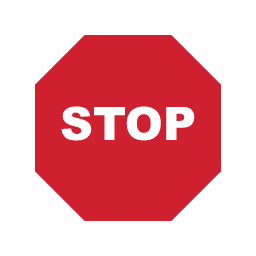
Stop
Meaning: A full stop is required at the stop line, crosswalk, or before entering the intersection.
What to do: Stop completely, yield to traffic and pedestrians, then proceed when safe.
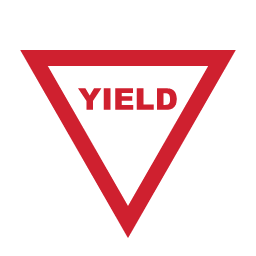
Yield
Meaning: You must give right-of-way to traffic or pedestrians before entering or crossing.
What to do: Slow down and stop if needed; enter only when the way is clear.
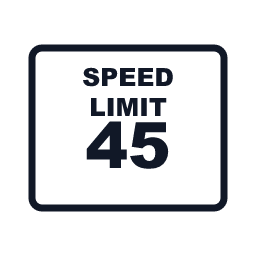
Speed Limit
Meaning: This is the maximum legal speed under normal conditions.
What to do: Drive at or below the posted limit and slow more for weather or traffic.
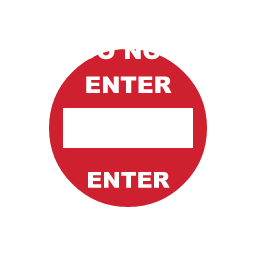
Do Not Enter
Meaning: Vehicles may not enter this roadway or ramp from your direction.
What to do: Do not continue; turn around only when it is safe and legal.
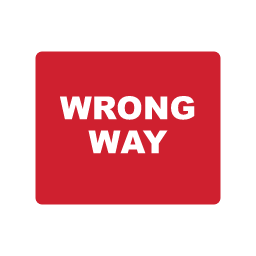
Wrong Way
Meaning: You are traveling against the legal direction of traffic.
What to do: Pull over safely, stop, and turn around when safe.
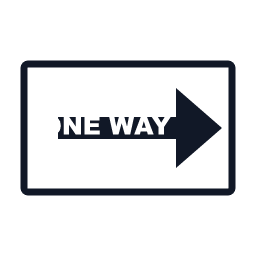
One Way
Meaning: Traffic on this road moves in one direction only.
What to do: Travel only in the direction shown by the arrow.
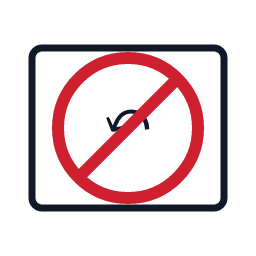
No U-Turn
Meaning: U-turns are not allowed at this location.
What to do: Continue forward and use a legal turn or turnaround later.
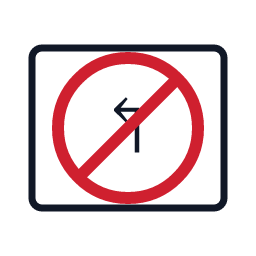
No Left Turn
Meaning: Left turns are prohibited at this intersection or driveway.
What to do: Continue straight or choose another legal route.
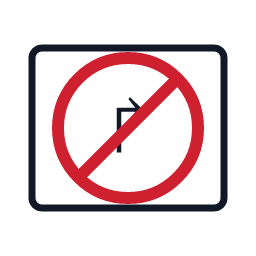
No Right Turn
Meaning: Right turns are prohibited at this intersection or driveway.
What to do: Continue straight or turn only where allowed.
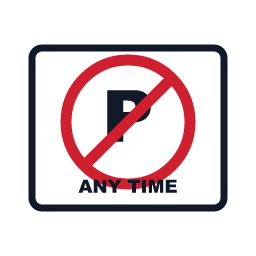
No Parking
Meaning: Parking is not allowed in the signed area.
What to do: Do not leave your vehicle parked there; check posted times and arrows.
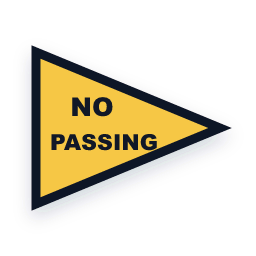
No Passing Zone
Meaning: Passing is prohibited in this section of road.
What to do: Stay in your lane until signs or pavement markings show passing is legal again.
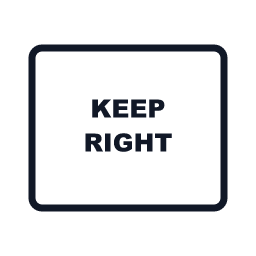
Keep Right
Meaning: Drivers must pass to the right of an island, divider, or obstruction.
What to do: Move to the right side of the marker and do not cross the divider.
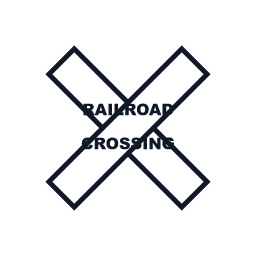
Railroad Crossbuck
Meaning: A railroad crossing is at the tracks.
What to do: Yield to trains and stop if lights, gates, or traffic require it.
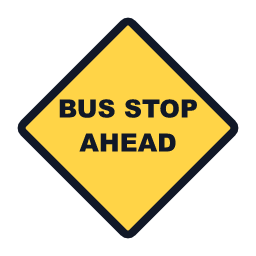
School Speed / School Bus Stop Ahead
Meaning: A school-related speed or bus-stop rule applies nearby.
What to do: Slow down and obey posted school-zone or bus-stop rules.
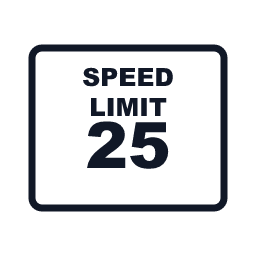
Minimum / Lower Speed Control
Meaning: A lower posted speed applies in this area.
What to do: Match the posted speed rule and avoid driving too fast for conditions.
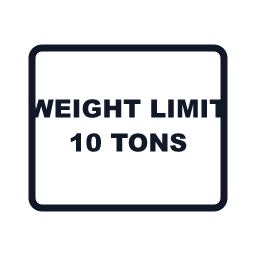
Weight Limit
Meaning: Vehicles over the posted weight are restricted.
What to do: Do not enter if your vehicle exceeds the limit; use an approved route.
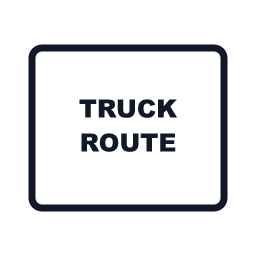
Truck Route
Meaning: Trucks are directed or permitted on this route.
What to do: Follow the route if operating a truck; other drivers should watch for large vehicles.
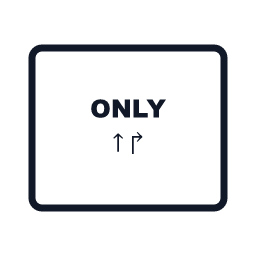
Lane Use / HOV-Style Control
Meaning: Certain lanes are assigned to specific movements or vehicle types.
What to do: Choose the correct lane early and obey any occupancy or turn requirement.
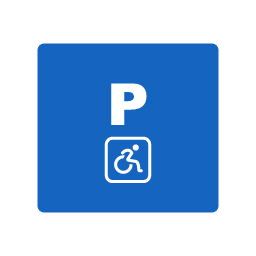
Accessible Parking
Meaning: The parking space is reserved for vehicles with a valid disability placard or plate.
What to do: Park there only with proper authorization.
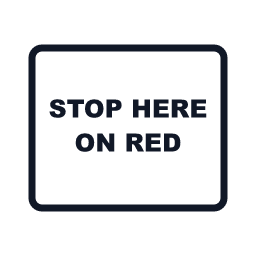
Stop Here on Red
Meaning: Drivers must stop at the marked line when the signal is red.
What to do: Stop before the line and wait until it is legal to proceed.
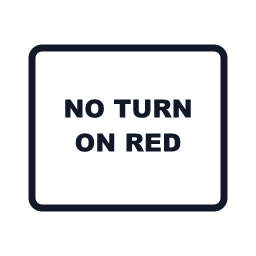
No Turn on Red
Meaning: Turning on red is prohibited at this signal.
What to do: Wait for a green signal before turning.
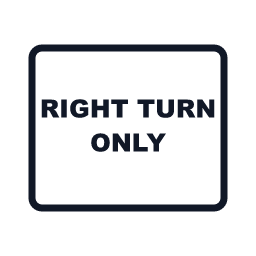
Right Turn Only
Meaning: Traffic in this lane or direction must turn right.
What to do: Signal, slow, and complete the required right turn safely.
Signs and markings
How regulatory signs work with pavement markings
Regulatory signs often work together with pavement markings. A no-passing sign may be reinforced by a solid yellow line, a stop sign may pair with a stop line, and lane-use signs may match arrows painted on the road. When both are present, use them together to understand the required legal action.
Official sources
Regulatory sign references used for this guide
US Permit Prep is an independent study site. Regulatory sign wording, placement, and state-specific enforcement details can vary, so verify final rules with your state driver handbook.
FAQ
Regulatory sign questions
What are regulatory signs?
Regulatory signs tell drivers what the law requires, allows, or prohibits. Examples include Stop, Yield, Speed Limit, Do Not Enter, One Way, No U-Turn, and No Parking signs.
Are regulatory signs legally enforceable?
Yes. Regulatory signs are traffic-control laws. Drivers must obey them, and violations can lead to tickets, test failure, unsafe driving, or crashes.
What colors are regulatory signs?
Many regulatory signs use red and white for stop, yield, wrong-way, or prohibited actions. Others use black and white for speed limits, lane rules, parking rules, and required movements.
What regulatory signs should I study first for the DMV test?
Start with Stop, Yield, Speed Limit, Do Not Enter, Wrong Way, One Way, No U-Turn, No Left Turn, No Right Turn, No Parking, No Passing Zone, Keep Right, and railroad crossing signs.
Practice
Ready to test yourself on regulatory signs?
Take the image-based Road Signs Practice Test and review missed regulatory signs by shape, color, legal meaning, and required driver action.
Related road sign guides