Warning Signs – Complete Guide
Warning signs alert drivers before a hazard, curve, crossing, or road-condition change. Learn the sign shape, color, meaning, and safe action before you take the DMV written test.
Warning signs basics
What are warning signs?
Warning signs are usually diamond-shaped and yellow with black symbols or words. Their job is to warn drivers about hazards or changing road conditions before the driver reaches them.
- Shape: Diamond for most warning signs.
- Color: Yellow for general warnings; fluorescent yellow-green for many pedestrian, bicycle, and school warnings.
- Purpose: Alert drivers to curves, crossings, merging traffic, traffic controls, road surfaces, and low-clearance hazards.
- Action: Reduce speed, increase alertness, and prepare before reaching the hazard.
Common warning signs
Common warning signs to know for the DMV test
Use the image first, then read the meaning and action. On the real test, shape and color often help you answer even before you read the sign text.
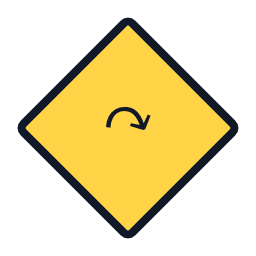
Curve Ahead
Meaning: The road curves to the right or left ahead.
What to do: Slow before the curve and keep a steady speed through it.
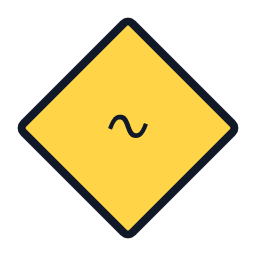
Winding Road
Meaning: Several curves are coming in a row.
What to do: Reduce speed early and avoid passing.
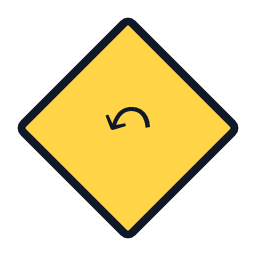
Sharp Turn
Meaning: A sharper turn is ahead.
What to do: Slow more than you would for a normal curve.
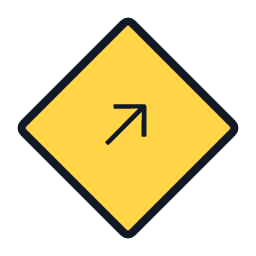
Merge
Meaning: Traffic may enter from another lane.
What to do: Adjust speed and leave space for merging vehicles.
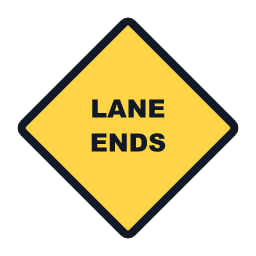
Lane Ends
Meaning: A lane ends ahead and traffic must merge.
What to do: Merge early and avoid last-second lane changes.
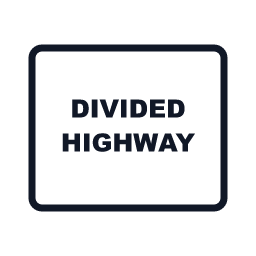
Two-Way / Divided Highway Crossing
Meaning: Traffic pattern changes around a divided roadway.
What to do: Stay in your lane and watch for traffic from both directions.
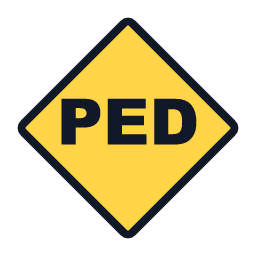
Pedestrian Crossing
Meaning: People may cross the road ahead.
What to do: Slow down and yield to pedestrians in or near the crosswalk.

School Crossing
Meaning: Children may cross near a school area.
What to do: Slow down, scan sidewalks, and obey school-zone rules.
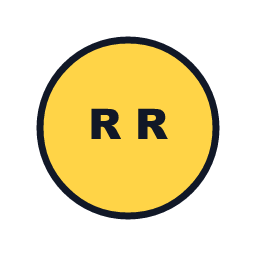
Railroad Crossing Ahead
Meaning: Train tracks are ahead.
What to do: Prepare to stop, look both ways, and never stop on tracks.
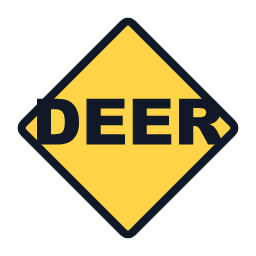
Deer / Animal Crossing
Meaning: Animals may enter the roadway.
What to do: Slow down and scan both shoulders, especially at dawn and dusk.

Slippery When Wet
Meaning: The road can become slick in rain or snow.
What to do: Reduce speed and avoid hard braking or sharp steering.
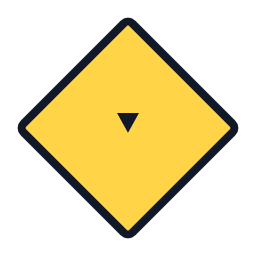
Steep Grade / Hill
Meaning: A steep downgrade or grade is ahead.
What to do: Control speed early and use lower gear when needed.
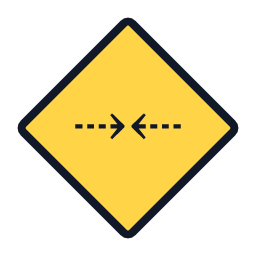
Road Narrows
Meaning: The roadway becomes narrower ahead.
What to do: Slow down and stay centered in your lane.
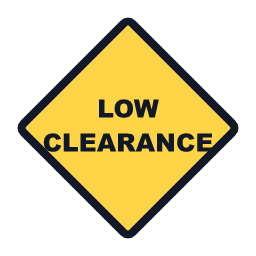
Low Clearance
Meaning: A bridge or structure has limited height clearance.
What to do: Check vehicle height and use another route if too tall.
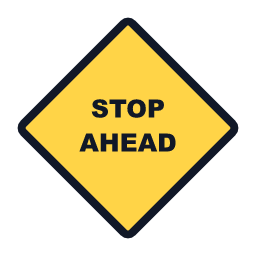
Stop Ahead
Meaning: A stop sign is ahead.
What to do: Begin slowing and prepare for a full stop.
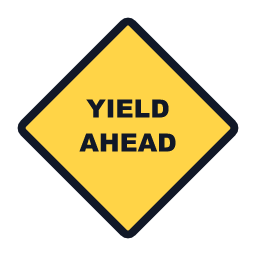
Yield Ahead
Meaning: A yield sign is ahead.
What to do: Slow down and be ready to give right-of-way.
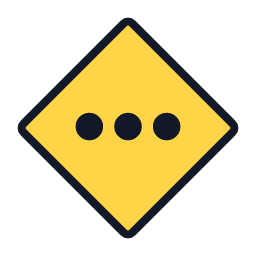
Traffic Signal Ahead
Meaning: A traffic light is ahead.
What to do: Be ready to stop and avoid speeding up to beat the light.
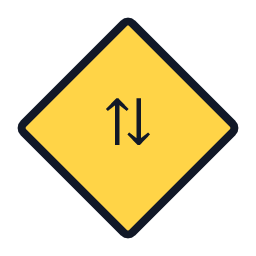
Divided Highway Begins
Meaning: A median or divider begins ahead.
What to do: Stay to the right of the divider and watch for lane shifts.
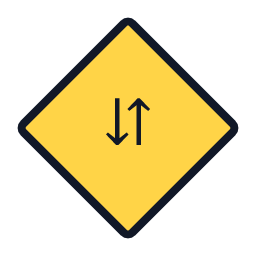
Divided Highway Ends
Meaning: A divided roadway changes back to two-way traffic.
What to do: Stay alert for oncoming traffic and keep right.
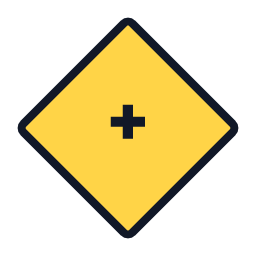
Cross Road
Meaning: Another road crosses your road ahead.
What to do: Scan left and right for entering traffic and be ready to slow.
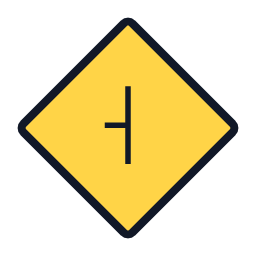
Side Road
Meaning: A side road enters from the left or right.
What to do: Watch for vehicles turning or entering from the side road.
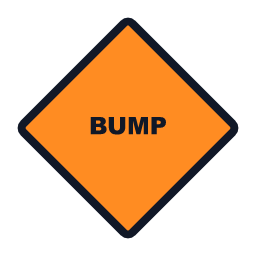
Bump / Dip
Meaning: The road surface changes suddenly.
What to do: Slow down and keep a firm grip on the wheel to maintain control.
Special colors
Special warning sign colors
Most warning signs are yellow, but school, pedestrian, and bicycle warnings are often fluorescent yellow-green so drivers notice vulnerable road users faster. Orange warning signs are used for construction and maintenance areas, which are covered separately on the work-zone signs page.
Official sources
Warning sign references used for this guide
US Permit Prep is an independent study site. Warning sign designs and exact wording can vary by state, so use this guide for study and verify final details with your state driver handbook.
FAQ
Warning sign questions
What color and shape are most warning signs?
Most warning signs are yellow diamonds with black symbols or words. Fluorescent yellow-green is often used for school, pedestrian, and bicycle warning signs.
What should I do when I see a warning sign?
Slow down, scan ahead, and prepare before you reach the hazard. Warning signs do not usually tell you to stop by themselves, but they tell you a condition is coming that may require a safer speed or lane position.
Are warning signs legally enforceable?
Warning signs alert you to hazards, while regulatory signs state enforceable laws. Ignoring a warning sign can still lead to unsafe driving or a citation if it causes a violation such as speeding, failing to yield, or losing control.
Do all states test the same warning signs?
Most states test the same core warning signs, but the exact mix can vary. Always review your state driver handbook in addition to using this guide.
Practice
Ready to test yourself on warning signs?
Take the image-based Road Signs Practice Test and review missed warning signs by shape, color, meaning, and safe driver action.
Related road sign guides