Next steps
What to Do After You Pass Your Permit Test (2026)
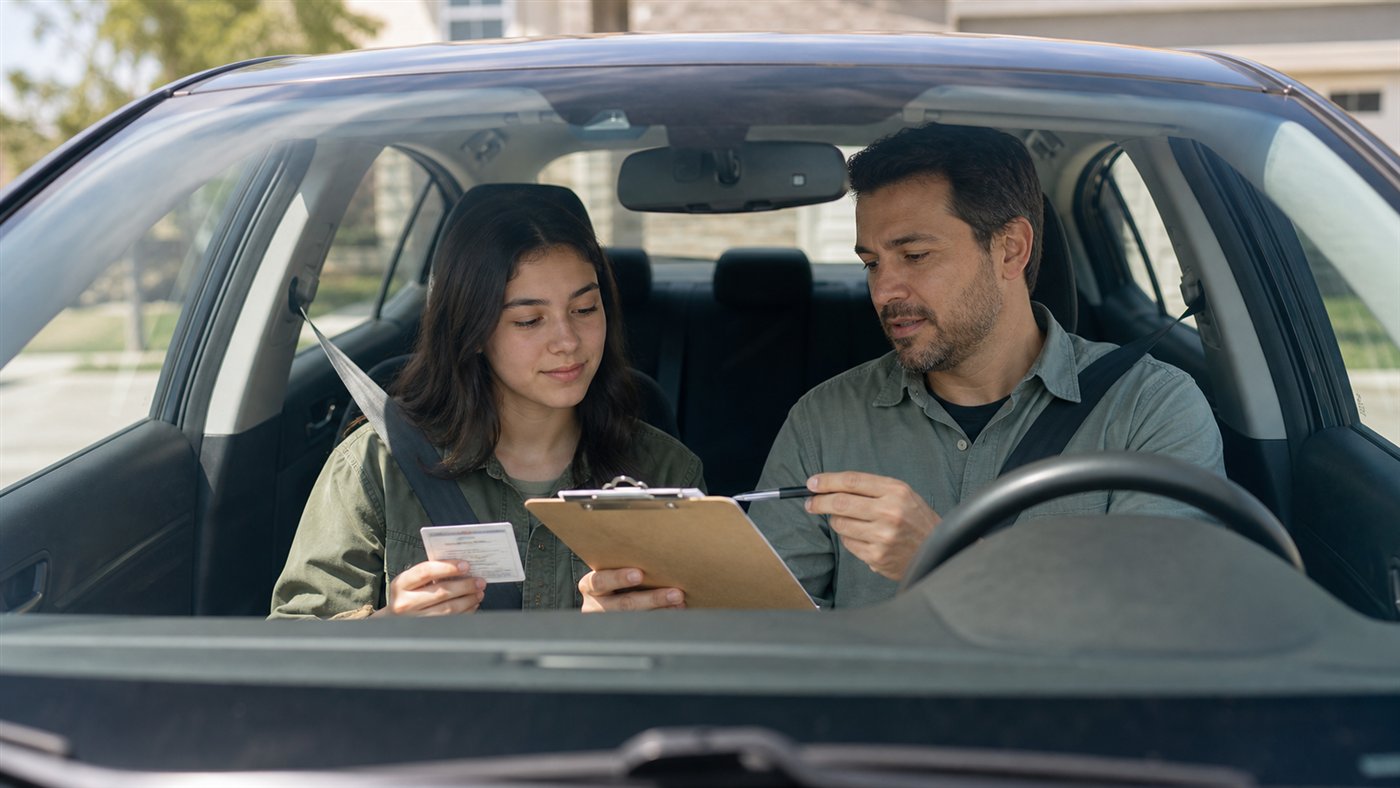
Passing the written permit test is the start of the supervised driving stage. Your exact next steps depend on your state and age, but most new drivers need to receive the permit document, follow permit restrictions, log practice hours, build skills gradually, and schedule a road test only after they meet the state eligibility rule.
Quick answer
Your permit lets you practice with supervision
Do not treat a learner permit like a full license. Carry the permit, drive only with a qualified supervising adult, follow any passenger/night/phone rules, and keep a driving log if your state or parent certification requires one.
The safest path is simple: confirm restrictions first, practice in stages, then use a road test checklist before you schedule the driving exam.
1. Pick up or receive your permit
After you pass the knowledge test, the DMV or licensing office may give you a temporary paper permit, update your online record, or mail a physical card. Before leaving the office or testing provider, ask whether the temporary document is valid for supervised driving and how long it should take for the permanent permit or license card to arrive.
- Physical permit: Keep it with you whenever you practice. Treat it like an ID document, not a spare paper.
- Temporary paper permit: Check the issue date, expiration date, and any printed restrictions. If anything looks wrong, ask before you drive.
- What to carry: Your permit, corrective lenses if required, any state-required practice log, and a licensed supervising adult who meets your state rule.
2. Know your permit restrictions
Most learner permits require a licensed adult supervisor in the vehicle. In many states that adult must be at least 21, but some states use a different age, relationship, seating, or license-history rule. The important rule is the same everywhere: a learner permit is not permission to drive alone.
- No solo driving: Do not drive without the required supervising driver, even for a short trip.
- Supervisor rule: Confirm the required age, license status, seating position, and whether a parent/guardian must be present for teen drivers.
- Common limits: Some states limit night driving, passengers, highway practice, or early-stage driving locations.
- Phone and distraction rules: Many teen-driver laws are strict about handheld devices and distractions. Keep the phone away unless it is needed for emergency or approved navigation use.
3. Start logging your hours
Supervised hours help new drivers build real habits before the road test: observation, lane control, smooth braking, scanning intersections, parking, and handling different road types. Some states require a parent or guardian to certify the practice hours before the road test.
Use the format your state provides when available. If you keep your own backup log, record the date, start and end time, total minutes, road type, weather or night practice, skills practiced, and supervising adult name.
For the state-by-state planning table, use our supervised driving hours by state guide.
4. Build your skills progressively
Do not jump from the written test straight into busy traffic. Begin with a quiet, low-risk place where the supervising adult can coach without pressure, then move into more complex roads as your control improves.
- Start in parking lots: Practice seat/mirror setup, steering, braking, backing, turning, and parking basics.
- Move to quiet roads: Add stop signs, speed control, lane position, turns, and scanning for pedestrians.
- Build toward busier routes: Work up to lane changes, traffic lights, multi-lane roads, merging, and highway driving only when permitted and supervised.
- Add conditions slowly: Night, rain, hills, and heavy traffic should come after basic control feels steady.
For a stage-by-stage plan, read how to practice driving with a learner permit.
5. Schedule your road test when you are eligible
Road-test eligibility is different by state and age. For example, California teen applicants generally need to hold an instruction permit for at least 6 months before the driving test, Florida teen learners generally need 12 months or until age 18 without traffic convictions, and Texas teen learners commonly follow a 6-month learner-license holding period before the provisional-license step. Always verify the current rule with your state before scheduling.
- Check the holding period: Your permit issue date matters. Do not schedule too early if your state requires a minimum holding period.
- Finish required hours: If your state requires a log or parent certification, complete it before test day.
- Bring the right items: Permit, appointment confirmation, proof of insurance/registration for the test vehicle when required, parent/guardian or supervisor if required, and any completed forms.
- Check the vehicle: Lights, turn signals, brake lights, horn, mirrors, tires, wipers, registration, and insurance should be ready before you arrive.
Before booking, use the road test checklist so you know what examiners commonly check and what can cause an automatic fail.
Need the bigger roadmap? Go back to the After Permit guide. Then confirm your state rules, print or save any required driving log, and plan your first practice sessions with a calm adult supervisor.
Source notes
Official examples to verify
This guide is a planning resource, not a government rule page. Final permit restrictions, holding periods, supervised-hour rules, and road-test documents are set by each state licensing agency.
Permit next-step FAQ
Common questions after passing the permit test
Can I drive alone after passing my permit test?
No. A learner permit is for supervised practice, not solo driving. Most states require a licensed adult in the vehicle, and the supervisor rule can include a minimum age, license type, and required seating position.
How soon can I take the road test after getting a permit?
It depends on your state and age. Teen drivers often have a minimum holding period plus supervised driving hours before the road test, while adult permit holders may follow a different timeline.
Do I have to log supervised driving hours?
Many teen permit programs require a parent or guardian to certify supervised driving hours. Use your state form if one exists, and keep a backup log with dates, time, road type, skills practiced, and supervisor initials.
What should I carry during supervised practice?
Carry your learner permit or temporary paper permit, any required corrective lenses, and drive only with a supervising adult who meets your state rule. Before your road test, also confirm whether you need a signed log, appointment confirmation, registration, and insurance.